The moment pests invade a home, many families immediately start looking for solutions. Whether it is ants in the kitchen, cockroaches in the bathroom, or rodents hiding behind walls, pest problems can quickly create stress and discomfort. However, for households with small children and pets, another concern often becomes even more important than the infestation itself. Many homeowners wonder if pest control treatments are truly safe for the people and animals living inside the home.
Children and pets are naturally more sensitive to chemicals because of their size, behavior, and developing immune systems. Young children often crawl, touch surfaces, and place objects in their mouths, while pets spend time on the floor and may accidentally lick treated areas. Because of this, safety is one of the biggest priorities when choosing Pest Control Fort Pierce methods for residential spaces.
Modern pest control treatments have evolved significantly over the years, and many solutions are now designed to minimize risks while still effectively eliminating pests. Understanding how these treatments work and how to use them safely can help families make informed decisions while protecting both their home and their loved ones.
Understanding Modern Pest Control Treatments
Many people still picture pest control as heavy chemical spraying throughout the entire home, but modern treatments are far more targeted than they once were. Today, pest control professionals often use methods designed to focus specifically on pest activity while reducing unnecessary exposure for humans and pets.
Different treatments are used depending on the type of infestation. Some pest problems are managed with bait stations, while others require spot treatments, traps, or limited applications around entry points. In many cases, integrated pest management techniques are used to combine prevention, monitoring, and minimal chemical use.
Integrated pest management focuses on long term control rather than excessive pesticide application. This approach includes identifying food and water sources, sealing entry points, reducing clutter, and using treatments only when necessary. Because of this strategy, many modern pest control plans involve less exposure than homeowners expect.
The safety of any treatment depends on the type of product used, how it is applied, and whether instructions are followed carefully.
Why Children and Pets Require Extra Protection
Children and pets interact with their environment differently than adults, which makes them more vulnerable to improper chemical exposure. Young children spend more time on floors and carpets where certain treatments may be applied. They are also more likely to touch surfaces and accidentally transfer substances to their mouths.
Pets face similar risks because they explore with their noses and tongues. Dogs and cats may walk through treated areas or chew on objects that have come into contact with pesticides. Birds, fish, and other smaller animals can be especially sensitive to airborne chemicals and strong odors.
Because of these differences, pest control treatments should always be selected and applied with household safety in mind. Proper precautions help ensure that pest management remains effective without creating unnecessary health concerns for vulnerable family members.
Are Professional Pest Control Treatments Safer Than Store Bought Products?
Many homeowners attempt to handle pest problems themselves using over the counter sprays and foggers. While these products may seem convenient, improper use can sometimes create greater risks than professional treatment.
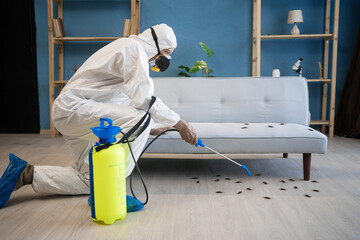
Professional pest control specialists are trained to apply products carefully and according to safety guidelines. They understand which treatments are appropriate for specific pests and how to minimize exposure inside the home. Professionals also know how much product is needed because excessive application does not necessarily improve results.
In contrast, homeowners may accidentally misuse store bought products by applying too much, mixing chemicals improperly, or treating areas where children and pets frequently play. This can increase the risk of unnecessary exposure.
Professional services often use targeted treatments instead of widespread spraying. Bait systems, crack and crevice treatments, and controlled applications are commonly used to reduce direct contact with treated surfaces. In many cases, this makes professional pest control a safer option compared to repeated misuse of retail products.
Common Safety Precautions During Pest Control Treatments
One of the most important parts of safe pest control is following all preparation and aftercare instructions carefully. Pest control providers usually give homeowners specific guidance before and after treatment to reduce risks for children and pets.
Food items, toys, pet bowls, and bedding are often removed or covered before treatment begins. Some treatments may require families and pets to stay out of the home for a few hours until surfaces dry completely and ventilation improves.
Ventilating the home after treatment can help reduce lingering odors and improve indoor air quality. Floors and countertops may also need to remain untouched for a recommended period of time depending on the treatment used.
Homeowners should always ask questions about any products being applied inside the home. Understanding where treatments will be placed and how long treated areas should be avoided helps families maintain a safe environment throughout the process.
The Difference Between Low Toxicity and Non Toxic Treatments
Many pest control products today are marketed as low toxicity or environmentally friendly. While these options may reduce certain risks, it is important to understand that no treatment is completely risk free if used improperly.
Low toxicity treatments are designed to target pests while minimizing harm to humans and animals when applied correctly. These products often break down more quickly in the environment and may use smaller amounts of active ingredients compared to older pesticides.
Non chemical methods are also becoming more common in residential pest control. Traps, exclusion methods, heat treatments, and sanitation improvements can often reduce pest populations without relying heavily on chemical applications.
For families with children and pets, discussing low toxicity or integrated pest management options with a pest control provider can help create a safer treatment plan tailored to the home’s needs.
How Long Should Children and Pets Stay Away After Treatment?
The amount of time children and pets should stay away from treated areas depends on the specific treatment used. Some modern applications dry quickly and may only require temporary avoidance for a short period. Other treatments may require several hours before reentry is recommended.
Liquid sprays usually become safer once they have dried completely. Bait stations and enclosed traps often pose lower exposure risks because the active ingredients remain contained within protective structures.
Fogging treatments and stronger chemical applications may require more extensive ventilation and longer waiting periods. Pest control professionals typically provide exact instructions based on the products used and the size of the treatment area.
Following these recommendations carefully is essential. Allowing children or pets to enter treated spaces too early may increase unnecessary exposure risks.
Natural and Eco Friendly Pest Control Alternatives
Some homeowners prefer natural pest control methods because they want to avoid synthetic chemicals entirely. Eco friendly approaches can sometimes help reduce minor pest problems while lowering exposure concerns.
Natural methods often focus heavily on prevention. Keeping the home clean, eliminating standing water, sealing cracks, and storing food properly can discourage pests without chemicals. Essential oils, vinegar solutions, and plant based repellents are also commonly used for certain insects.
However, natural remedies are not always effective for larger infestations. Severe rodent, termite, or cockroach problems may still require professional intervention to fully eliminate the issue.
Combining preventive maintenance with safer targeted treatments often provides the best balance between effective pest control and household safety.
Signs of Unsafe Pest Control Exposure
Although modern treatments are generally considered safe when used properly, homeowners should still watch for unusual reactions after treatment. Symptoms of accidental exposure may vary depending on the individual and the type of product involved.
Pets may show signs such as excessive drooling, vomiting, unusual tiredness, or difficulty walking. Children may experience headaches, skin irritation, coughing, or nausea if exposed improperly.
If any unusual symptoms appear after a pest control treatment, contacting a medical professional or veterinarian immediately is important. Keeping product information available can help healthcare providers respond more effectively if concerns arise.
Fortunately, serious problems are uncommon when treatments are handled responsibly and safety instructions are followed carefully.
Final Thoughts
Pest control treatments can be safe for pets and children when applied correctly and managed responsibly. Modern pest control methods are designed to target pests more precisely while reducing unnecessary exposure inside the home. Professional treatments, integrated pest management strategies, and low toxicity options all help create safer solutions for families.
Children and pets require extra protection because they interact more closely with floors, surfaces, and treated areas. This is why following preparation guidelines and reentry instructions is so important after treatment.
Choosing experienced professionals, asking questions about treatment methods, and maintaining good prevention habits can help homeowners control pests while protecting the people and animals they care about most. A thoughtful and informed approach allows families to maintain a cleaner, healthier, and safer home environment without unnecessary worry.